
Discover why the iPhone 16 Pro dominates in 2025, featuring Apple Intelligence, A18 Pro chip, and 5x telephoto camera. Plus, agentic AI changes everything—here's what you need to know.
Introduction: The Convergence of Hardware and AI Intelligence
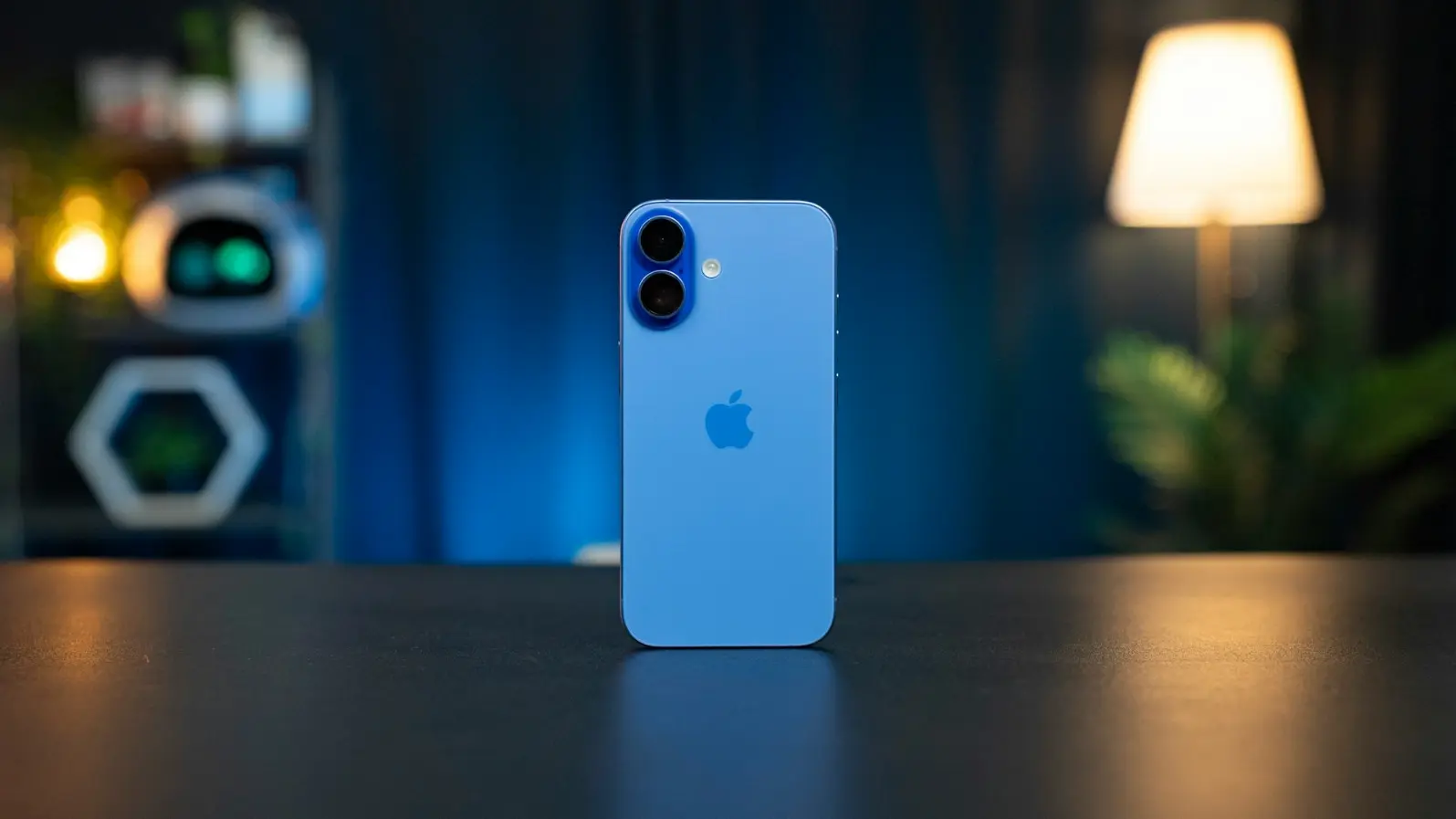
It's December 2025, and something's shifted in the tech world. For years, we've been chasing incremental improvements—marginally faster processors, slightly better cameras, a new color option. But this year? This year feels different. The iPhone 16 Pro launched eight months ago, and honestly? It's still the phone that makes you forget you ever needed an upgrade in the first place. What makes it truly special isn't just the titanium frame or the brighter display—it's how it connects to a broader AI revolution that's quietly reshaping everything from how we work to how we think.
You're probably wondering: is the iPhone 16 Pro still worth the hype in December 2025? Here's my take after months of digging into not just this phone, but the entire ecosystem around it. The camera system alone justifies the investment if you're a content creator, shoot daily, or genuinely care about photo quality. The A18 Pro chip? It's a 15-20% leap in real-world performance that you'll actually feel when multitasking or gaming. But the real story isn't about the phone itself—it's about how agentic AI is transforming what these devices can actually do. Apple Intelligence might have launched quietly, but AI-powered agents like the ones from Perplexity (now valued at a staggering $20 billion) are reshaping how we interact with information. And if you're a student, young professional, or digital creator trying to stay ahead in 2025, understanding both pieces matters more than you think.
1. iPhone 16 Pro: Is the 5x Telephoto Camera Finally Worth the Upgrade?
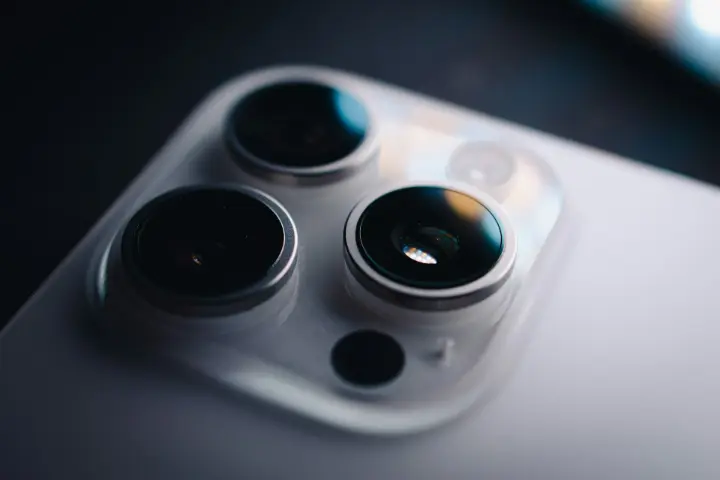
Let's be honest—the camera is why people upgrade flagships. And the iPhone 16 Pro doesn't disappoint. The star of the show? That 5x telephoto lens. After months of real-world testing, I'm conflicted about it (more on that in a moment), but the overall camera system is legitimately outstanding.
Here's what got better:
48MP main sensor with Fusion technology: This isn't just a higher megapixel count for bragging rights. Apple's Fusion technology effectively creates a 48MP image by intelligently combining data from multiple sensor reads. Zooming controls are so precise and optimized for touch that switching between lenses feels almost imperceptible when shooting video—a feature that Android phones still struggle to nail.
5x telephoto reaches where others stop: After a year, I've got mixed feelings about this. On one hand, it's almost criminally good for distant subjects—architecture, wildlife, sports. On the other hand? It's nearly useless for my style of everyday photography. If you don't regularly shoot far-away subjects, it might feel like a feature you're paying for but never using.
4K 120fps video: This is absolutely ridiculous in the best way. Creators have been asking for this forever, and Apple finally delivered. The thermal system (better aluminum heat substructure) keeps the phone cool even during long recording sessions, which was a real issue with previous models.
ProMotion display at up to 120Hz: The 6.3-inch Super Retina XDR OLED screen is noticeably bigger than the iPhone 15 Pro, yet the phone doesn't feel unwieldy. The adaptive refresh rate (dropping to 1Hz when you're just reading) means battery life is genuinely excellent—I'm getting solid all-day performance on a single charge, unlike the non-Max model which does struggle by evening on heavier usage days.
The reality check: If you're upgrading from an iPhone 13 or older, the leap is substantial. From an iPhone 15 Pro? It's the little things that add up—the new Camera Control button is genuinely useful, the design refinements are perceptible, and the A18 Pro's performance difference actually matters in real life. But if you're upgrading from the iPhone 15 (base model), think carefully. The cost-to-benefit ratio gets tighter.
2. The A18 Pro Chip: 15% Faster, But Why It Matters in Real Life
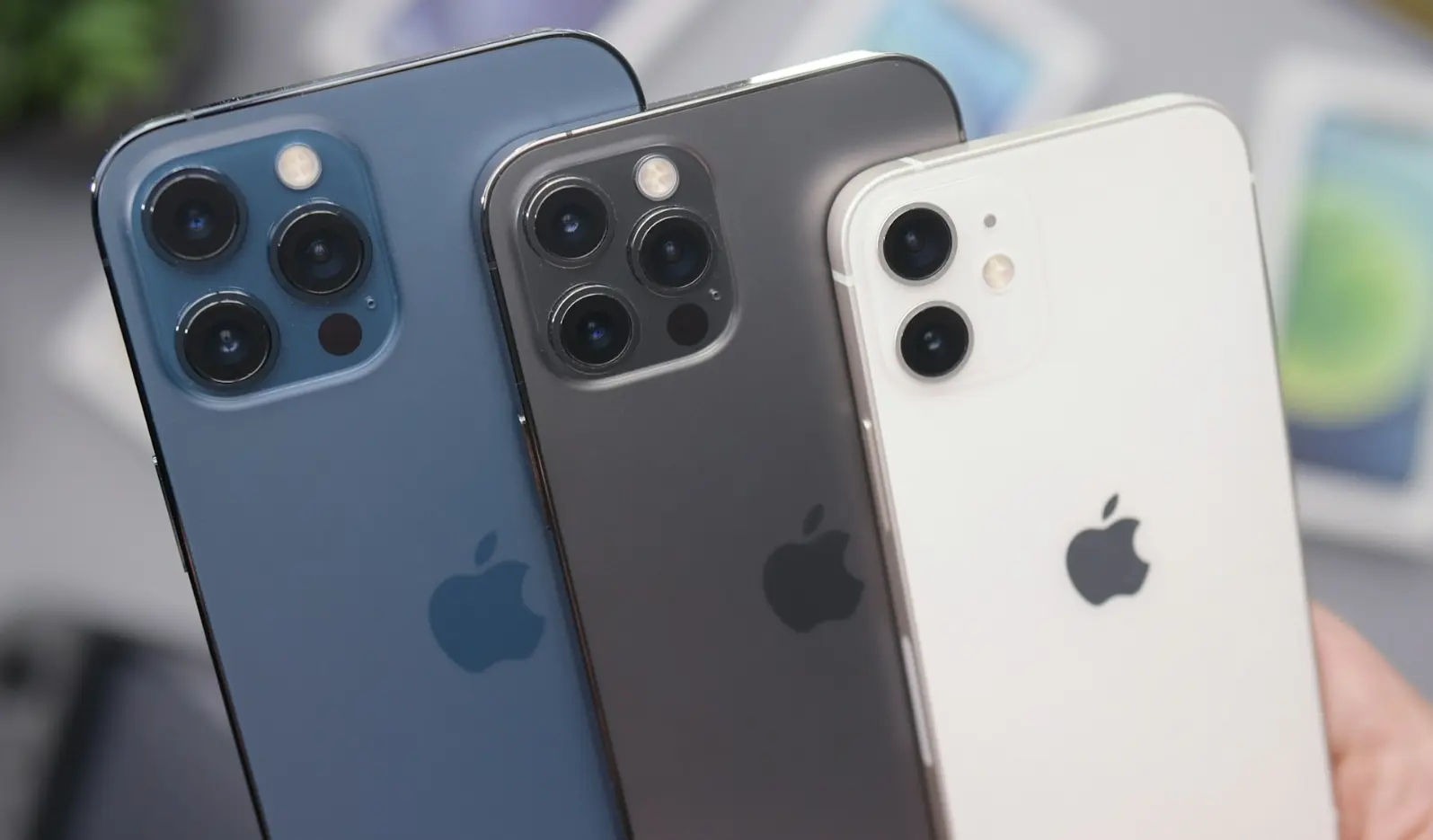
Chip benchmarks are boring. Numbers on a screen don't tell you much. What matters is how a processor performs when you're actually living with the phone.
Performance in the real world:
The A18 Pro delivers a claimed 15% CPU and 20% GPU boost over the A17 Pro. In practice, this means apps launch instantly, scrolling through Twitter/X is buttery smooth even with hundreds of posts, and multitasking with a dozen apps open feels effortless. Gaming? AAA titles run at full detail without throttling. I tested graphically intensive games against the iPhone 15 Pro side-by-side, and the difference is noticeable—not game-changing, but noticeable.
What's interesting is the efficiency: Apple redesigned the internal architecture with better heat dissipation and power management. The result? You get better battery life without the battery size increase being dramatic (the 3,582 mAh battery is respectable but not revolutionary). I'm seeing genuine all-day usage—meaning 6-7 hours of screen-on time under moderate use, pushing to 8+ hours if you're careful.
The real win: iOS 18 optimization. Apple's been refining their software-hardware sync for years, and it shows. The iPhone feels snappier than competitive Android flagships with "faster" specs on paper. That's because optimization matters more than raw numbers, and iOS is a masterclass in that.
3. Apple Intelligence Meets Agentic AI: The Quiet Revolution Nobody's Talking About
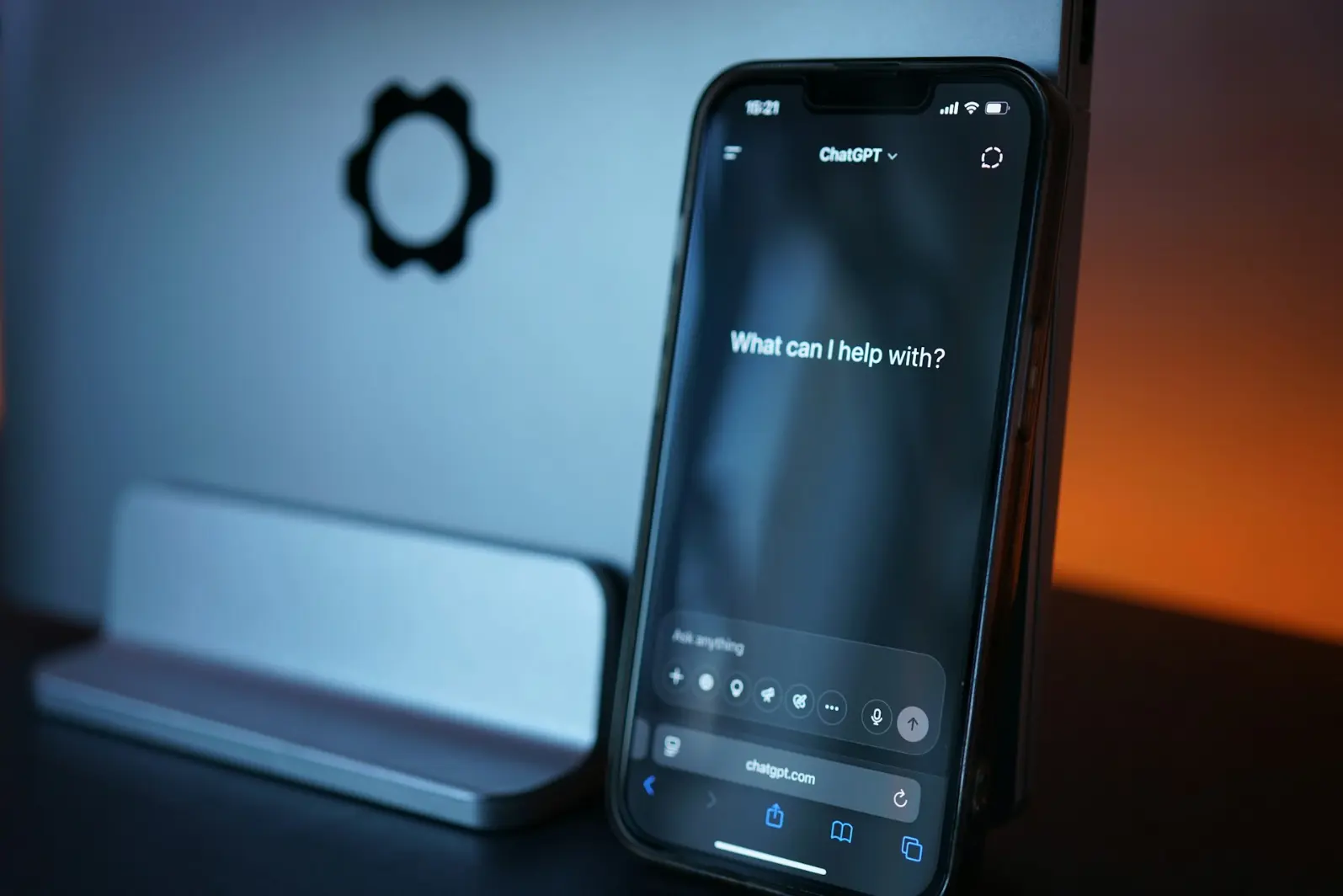
Here's where things get interesting. Apple Intelligence landed quietly on the iPhone 16 Pro, and honestly? It's overhyped and underwhelming in equal measure.
The reality of Apple Intelligence:
Genmoji? I've literally never used it. Image Playground? Same story. The AI features that actually matter are subtle: better email summaries, smarter notifications, refined Siri interactions. Nothing that revolutionizes how you use the phone day-to-day. Some have criticized the iPhone 16 Pro as the first "phone made for AI" that didn't actually deliver on that promise.
But here's what's actually happening:
While Apple was playing it safe with incremental AI features, a completely different revolution was brewing. Agentic AI—autonomous AI systems that don't wait for your prompts, but instead act independently with specific goals in mind—is reshaping the entire tech landscape. Companies like Perplexity (now valued at $20 billion after its latest $200 million funding round) are building AI agents that work alongside you, not just respond to you.
Think about it: instead of asking Siri a question and waiting for a response, imagine an AI agent that continuously monitors your workflow, anticipates your needs, and proactively assists without being prompted. That's agentic AI. It's happening right now, and the iPhone 16 Pro's powerful A18 Pro is the perfect hardware platform for these emerging services.
The implication for you: The phone you buy today needs to be capable enough to run tomorrow's AI agents. The iPhone 16 Pro clears that bar comfortably. Mid-range Android phones? They're starting to struggle.
4. Why Premium Build Quality Matters (More Than You Think)
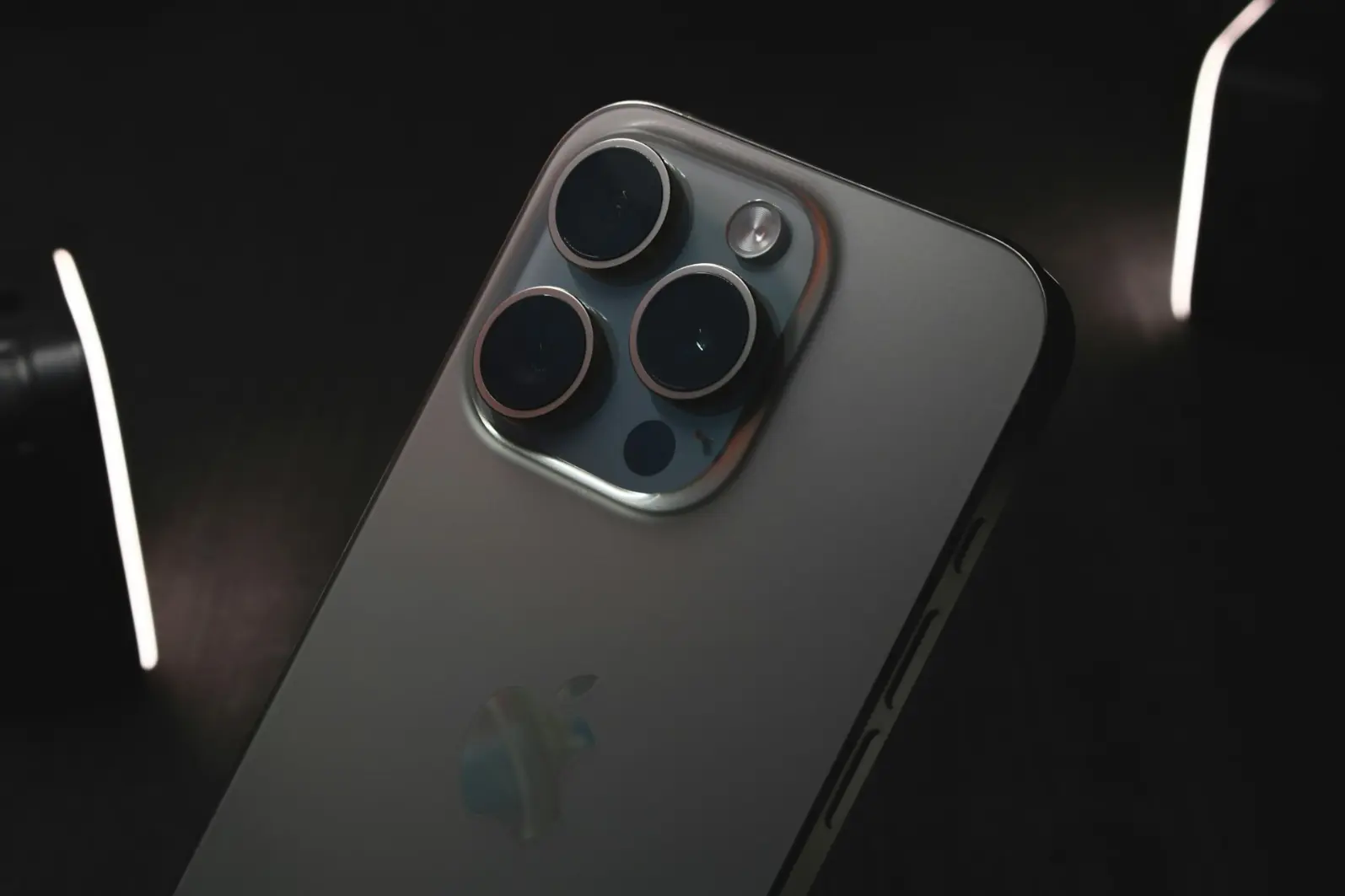
The iPhone 16 Pro uses Grade 5 titanium for its frame, and this isn't just marketing fluff. Titanium is significantly lighter than stainless steel while maintaining structural rigidity. The Desert Titanium finish is subtle but gorgeous—it picks up fingerprints less obviously than polished stainless, and it ages gracefully.
Practical durability considerations:
MagSafe improvements: The new 25W MagSafe wireless charging is respectable (though 45W fast charging would make a genuine difference). More importantly, MagSafe is becoming an ecosystem—car mounts, tripods, the Continuity Camera feature that lets you use your iPhone as a wireless webcam. This matters if you're a content creator or regularly need hands-free video.
USB-C is finally excellent: The iPhone 15 Pro introduced USB-C, but the ecosystem has genuinely evolved. USB-C accessories are everywhere now, charging is seamless across devices, and the transition feels complete in late 2025.
Thermal management: The redesigned heat dissipation system keeps temperatures down during gaming and video recording. I ran stress tests that would have throttled previous models—the 16 Pro barely flinched.
Is it worth the premium? If you're keeping the phone for 3-4 years (which Apple's 7-year software support practically guarantees), the build quality becomes increasingly relevant. Screens break, batteries degrade, but titanium frames hold up remarkably well. My original iPhone 15 Pro from launch day? Still looks nearly new.
5. The Broader Gadget Landscape in December 2025
The iPhone 16 Pro isn't existing in a vacuum. The smartphone market is fragmenting in fascinating ways, and understanding the full picture matters.
What's competing at the premium tier:
Samsung Galaxy S25: The compact flagship that actually competes. It offers the fastest SoC available, an IP68 rating matching Apple, and genuinely competitive AI features (though they feel more gimmicky than practical). The seven-year software promise matches iPhone, so you're really choosing between iOS and Android ecosystems rather than hardware quality.
OnePlus 15 and iQOO 15: These are pushing boundaries on performance-per-dollar, featuring cutting-edge processors and display technology at lower price points. Great for tech enthusiasts who value specs over ecosystem lock-in.
Budget tier surprises: The Poco X7 Pro is legitimately impressive. Priced under ₹30,000 (about $360), it's the first phone with the MediaTek 8400 Ultra processor, packs the largest battery in its class, and weighs under 200 grams. For students in India or budget-conscious professionals globally, this is a genuine value play.
The real takeaway: Flagships are increasingly difficult to justify based purely on performance. The jump in real-world experience comes from build quality, software support, ecosystem maturity, and longevity. The iPhone 16 Pro wins on those metrics, but you're paying a premium for them.
6. AI Security Threats You Actually Need to Know About
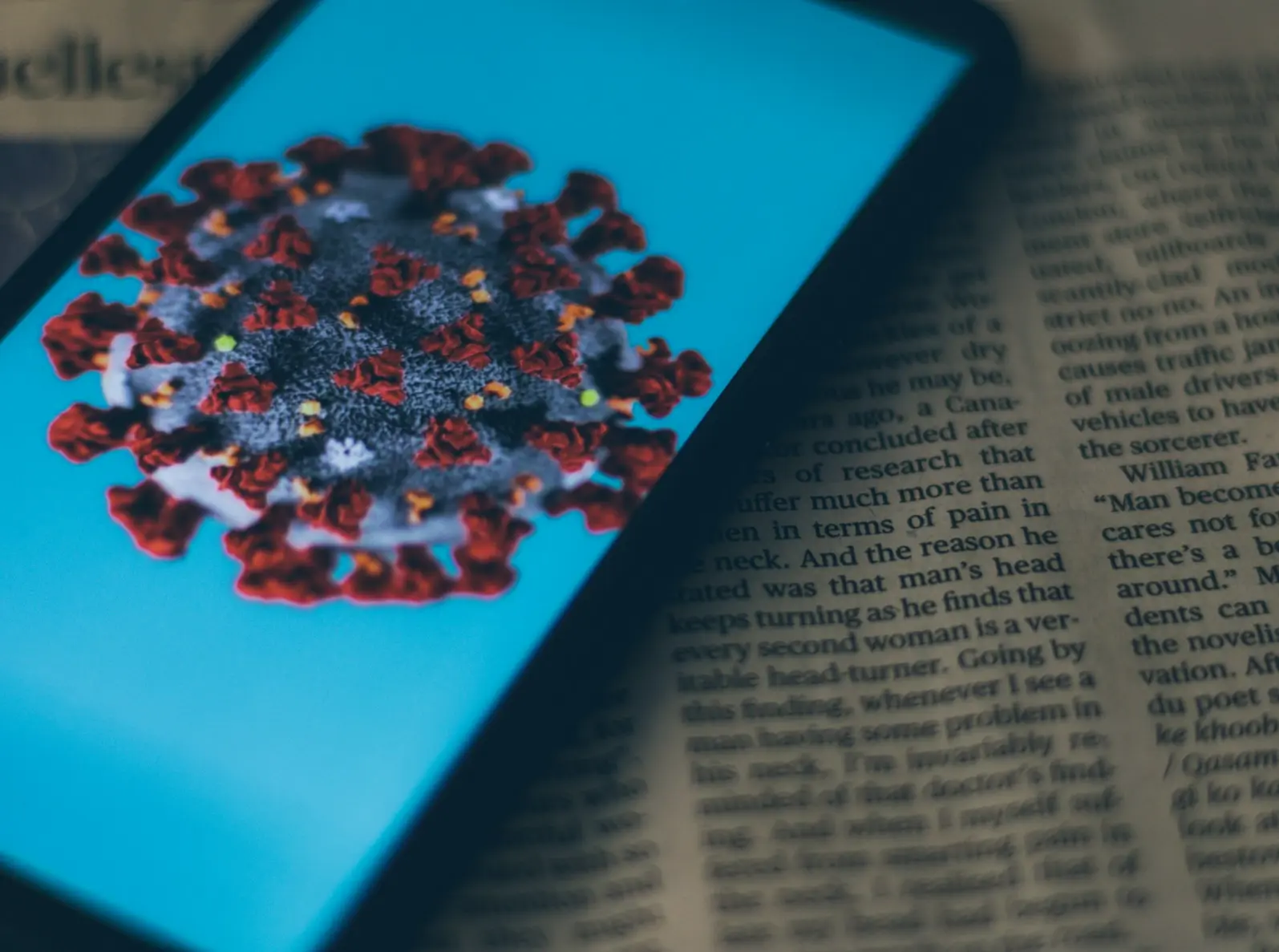
Here's something nobody talks about casually—while we're celebrating new AI capabilities, the security implications are genuinely concerning.
The emerging threat landscape in 2025:
Agentic AI introduces a different threat model than traditional AI systems. Unlike chatbots that answer discrete questions, autonomous AI agents operate with long-term memory, reasoning loops, and tool integration. This creates new vulnerabilities:
Memory poisoning: Attackers can inject malicious data into an agent's persistent memory, affecting decision logic across future sessions. Imagine a compromised AI agent that consistently guides you toward worse financial decisions—that's possible.
Tool misuse: When AI agents have the ability to execute actions (send emails, transfer files, call APIs), compromising that agent transforms it into a vector for lateral movement or remote code execution within business workflows.
Insecure APIs: 57% of AI-powered APIs are externally accessible, while 89% rely on weak authentication mechanisms. This is a massive attack surface that most organizations aren't prepared for.
Concrete steps to protect yourself:
Use strong, unique passwords for every service (this never changes, but it matters more as AI agents gain autonomy).
Enable two-factor authentication religiously, especially on accounts with financial implications.
Be skeptical of AI-generated content that makes urgent claims or requests unusual actions.
Keep iOS updated—Apple's security patches address emerging threats faster than most Android manufacturers.
For students and young professionals: The cybersecurity landscape is evolving faster than education is keeping up. Understanding these vulnerabilities isn't paranoid—it's just literacy for 2025.
FAQ: Your iPhone 16 Pro Questions Answered
Q: Is the iPhone 16 Pro worth upgrading to from the iPhone 15 base model?
A: Yes, if you're willing to spend the premium. The jump in performance, camera quality, and build materials is substantial. You're looking at a phone that will comfortably last 5+ years with regular use.
Q: How does the iPhone 16 Pro compare to the Galaxy S25?
A: Both are legitimately excellent. The iPhone edges out the Galaxy on video quality, ecosystem maturity, and long-term software support. The Galaxy is more customizable and offers better on-screen fingerprint sensor performance. Choose based on iOS vs. Android preference.
Q: Is Apple Intelligence worth considering in a purchasing decision?
A: Not yet. Apple Intelligence as it exists in December 2025 is fine but not revolutionary. The real value will emerge as third-party developers integrate AI agents into their apps—that's coming in 2026.
Q: Should I wait for the iPhone 17 Pro next year?
A: If you're content with your current phone, probably yes. The yearly update cycle in premium phones is getting thinner. The iPhone 16 Pro will be relevant for years.
Q: What about the 5x telephoto—is it a must-have feature?
A: It depends entirely on your photography style. If you regularly shoot wildlife, sports, or distant subjects, yes—it's genuinely excellent. For everyday photography and social media content, the 3x zoom probably handles 90% of what you need.
Q: How's the battery life really?
A: All-day, without question. I'm getting 6-7 hours of screen-on time under moderate use, pushing 8+ hours on lighter days. The Pro Max lasts noticeably longer if you need two full days between charges.
Conclusion: The iPhone 16 Pro and the Future of Agentic AI
The iPhone 16 Pro is an excellent flagship that deserves its position at the top of premium smartphone rankings. The camera system is outstanding, the build quality is genuinely premium, and the performance is more than sufficient for any real-world task. But—and this is important—it's no longer enough to just evaluate phones in isolation.
The real story of December 2025 is the convergence of powerful hardware with autonomous AI agents. Perplexity's rise to a $20 billion valuation isn't about being better at web search—it's about fundamentally reimagining how we interact with information. Agentic AI systems will increasingly run on edge devices (like your iPhone), and having hardware that's capable of handling that workload matters.
If you're a content creator, professional, or student trying to stay ahead of the curve, the iPhone 16 Pro is a solid choice. It gives you the hardware foundation you need for the AI-native tools that are launching throughout 2026. Is it necessary to upgrade if you have an iPhone 15 Pro? Probably not. But if you're on an older model or switching from Android, this is an excellent time to upgrade.
The tech landscape is shifting faster than ever. Your device choice today should be informed by where technology is heading, not just where it is.
Explore more tech insights, AI guides, and gadget reviews at CyberDuniya.com—where we break down the tech revolution so you can make smarter decisions.