Discover the key differences between electric vehicles and petrol cars. Learn about cost, performance, environmental impact, and which option is better for you.
The way we travel is changing fast. You’ve probably noticed more electric vehicles (EVs) on the roads or heard people talking about fuel prices, climate change, and sustainable transportation. But what exactly is the difference between electric vehicles and petrol cars?
If you’re confused about which one is better—or just curious about how they work—you’re in the right place. This blog breaks everything down in simple, easy language so anyone can understand it.
Understanding the Basics
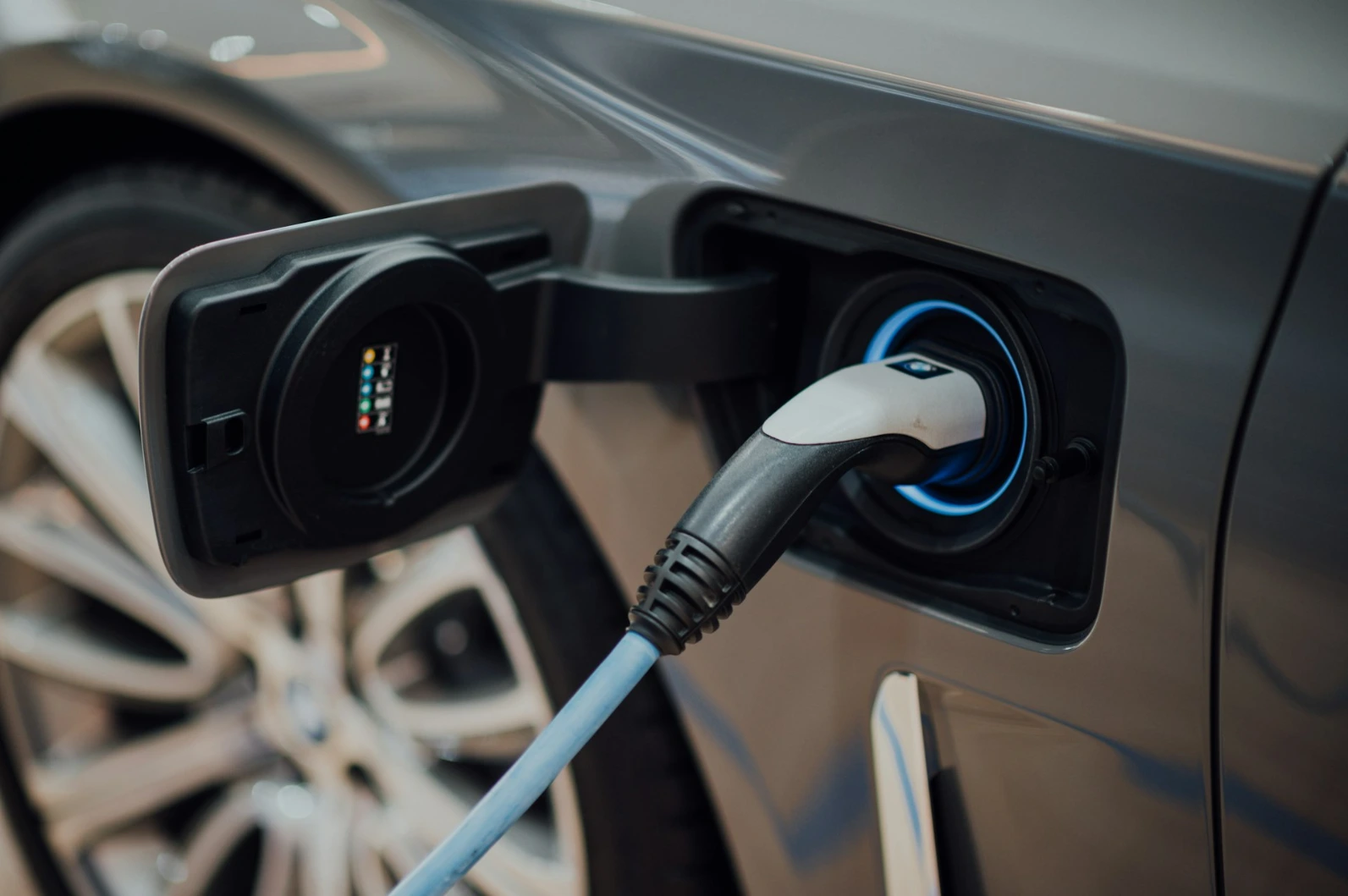
What is an Electric Vehicle (EV)?
An electric vehicle, often called an EV, runs on electricity instead of fuel. It uses a battery and an electric motor to move. You charge the battery by plugging the car into a charging station or a home charger.
Popular EV examples include cars from brands like Tesla, Nissan, and BYD.
What is a Petrol Car?
A petrol car uses an internal combustion engine (ICE) that runs on gasoline (petrol). It burns fuel to create energy, which powers the car.
This is the traditional type of car most people have used for decades.
How They Work
Electric Vehicles: Simple and Efficient
Electric cars store energy in a battery. When you press the accelerator, electricity flows to the motor, and the car moves. There’s no engine noise and no fuel burning.
Petrol Cars: Fuel-Powered Machines
Petrol cars burn fuel inside the engine. This creates small explosions that power the car. It’s a more complex process with many moving parts.
Key Differences Between Electric Vehicles and Petrol Cars

Fuel vs Electricity
The biggest difference is how they get energy:
EVs use electricity
Petrol cars use gasoline
With rising fuel prices, EVs are becoming more attractive due to lower running costs.
Environmental Impact
Electric vehicles are considered eco-friendly cars because they produce zero tailpipe emissions. Petrol cars, on the other hand, release carbon dioxide (CO₂), contributing to air pollution and global warming.
Cost of Running
Charging an EV is usually cheaper than filling a petrol tank. This makes EVs more cost-effective in the long run.
Maintenance
EVs have fewer moving parts, so they require less maintenance. Petrol cars need regular oil changes, engine checks, and more repairs.
Driving Experience
EVs are smooth and quiet. Petrol cars are noisier and may feel less smooth in comparison.
Cost Comparison
Initial Purchase Cost
Electric vehicles often have a higher upfront cost due to advanced battery technology. However, prices are gradually decreasing as technology improves.
Long-Term Savings
Over time, EV owners save money on fuel and maintenance. Many governments also offer incentives or tax benefits for buying electric cars.
Charging vs Refueling
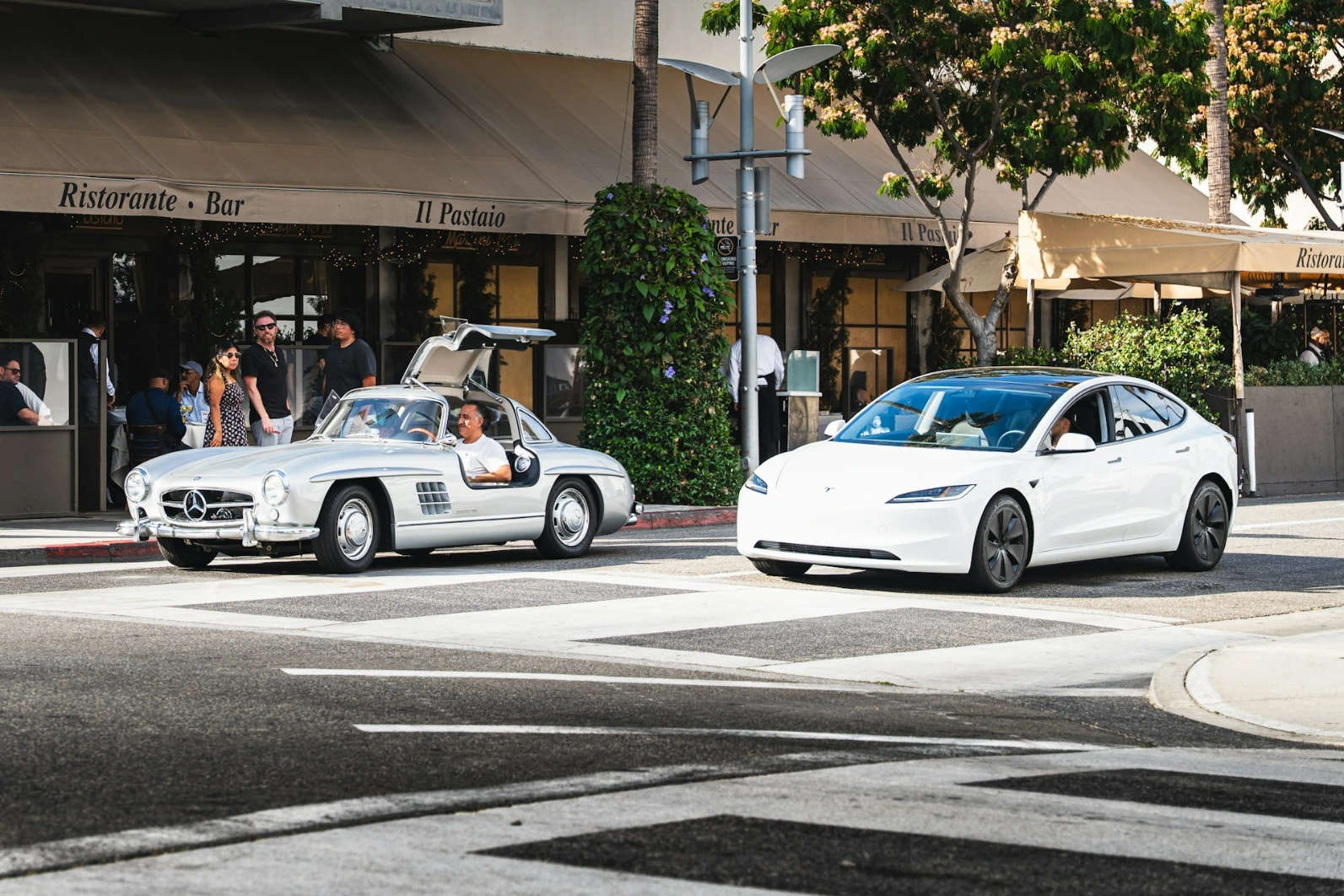
Charging an Electric Vehicle
You can charge an EV at home or at public charging stations. Charging time can vary from 30 minutes (fast charging) to several hours.
Refueling a Petrol Car
Petrol cars are quick to refuel. It usually takes just a few minutes at a fuel station.
Range and Performance
Driving Range
Petrol cars generally have a longer range and can travel farther without refueling.
EVs are improving quickly, and many modern models now offer competitive ranges.
Performance
Electric vehicles provide instant torque, which means faster acceleration. This makes EVs feel quick and responsive.
Petrol cars still perform well, especially in long-distance travel.
Environmental Impact

Electric Vehicles and Sustainability
EVs help reduce greenhouse gas emissions. They are a key part of the green energy revolution and sustainable mobility movement.
Petrol Cars and Pollution
Petrol vehicles emit harmful gases that contribute to air pollution and climate change.
Infrastructure and Availability
Charging Infrastructure
Charging stations are growing but may still be limited in some areas, especially in developing regions.
Fuel Stations
Petrol stations are widely available almost everywhere, making petrol cars more convenient for long trips.
Pros and Cons of Electric Vehicles
Advantages
Lower running cost
Eco-friendly and zero emissions
Quiet and smooth driving
Less maintenance
Disadvantages
Higher initial cost
Charging takes time
Limited charging stations in some areas
Pros and Cons of Petrol Cars
Advantages
Widely available fuel stations
Lower upfront cost
Longer driving range
Quick refueling
Disadvantages
Higher fuel costs
More pollution
Regular maintenance required
Which One is Better for You?
Choose an EV if:
You want to save on fuel costs
You care about the environment
You mostly drive in cities
You have access to charging
Choose a Petrol Car if:
You travel long distances often
You need quick refueling
Charging stations are not available nearby
Future of Electric Vehicles
Growing Popularity
Electric vehicles are becoming more popular worldwide. Many countries are promoting EV adoption to reduce pollution.
Government Support
Governments are offering incentives, subsidies, and tax benefits to encourage people to switch to EVs.
Technological Advancements
Battery technology is improving, making EVs more efficient, affordable, and accessible.
Common Myths About Electric Vehicles
“EVs are too expensive”
While the upfront cost is higher, long-term savings often make EVs cheaper.
“Charging is difficult”
Charging infrastructure is expanding rapidly, making it easier than ever.
“EVs are slow”
Many EVs are actually faster than petrol cars due to instant acceleration.
Real-Life Examples of EV Adoption
Companies like Tesla have made EVs popular globally. Traditional automakers like Toyota and Hyundai are also investing heavily in electric mobility.
Cities around the world are promoting electric buses, bikes, and cars to reduce pollution.
Final Thoughts
Electric vehicles and petrol cars both have their pros and cons. The right choice depends on your lifestyle, budget, and driving needs.
If you’re looking for a future-ready, eco-friendly option with lower running costs, an electric vehicle might be the perfect choice. But if convenience and long-distance travel matter more to you, petrol cars still hold strong.
The shift toward electric mobility is clear, and the future of transportation is likely to be more sustainable, efficient, and environmentally friendly.
EXPLORE MORE AT CYBERDUNIYA.COM
BEST BUYING LINKS - AMAZON.IN
- BUY Chetak 3001 by Bajaj Auto High Speed Electric Scooter with charger - https://amzn.to/41fTV7x
- BUY Toyzone Spidy Electric Jeep - https://amzn.to/4bCIwDA