Learn the difference between smart home and traditional home in simple terms. Discover features, benefits, costs, and which one is better for modern living.
In today’s fast-changing world, technology is becoming a bigger part of our everyday lives. One of the most noticeable changes is how our homes are evolving. You may have heard terms like “smart home technology”, “home automation”, or “connected devices”—but what do they really mean?
More importantly, how is a smart home different from a traditional home?
If you’re curious about upgrading your lifestyle or simply want to understand modern living trends, this guide will explain everything in simple, easy-to-understand language. By the end, you’ll clearly know the difference between a smart home and a traditional home—and which one might be right for you.
What is a Traditional Home?
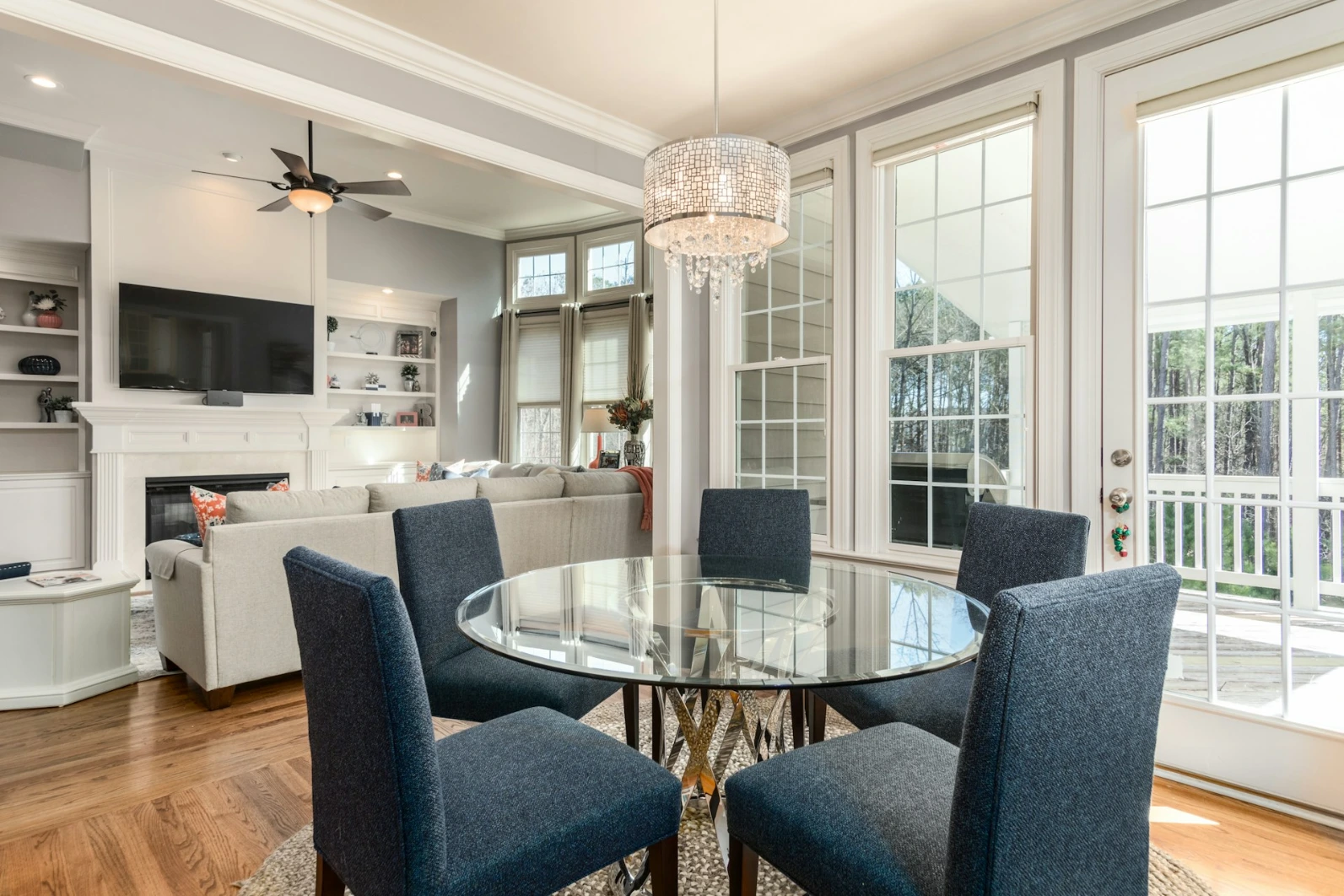
A traditional home is what most people are familiar with. It is a house where everything is operated manually.
Simple Explanation:
👉 A traditional home = You control everything yourself.
Examples:
You turn lights on/off using switches
You adjust the fan or AC manually
You lock doors with physical keys
You use regular appliances without internet connection
Traditional homes are simple, reliable, and do not depend on internet or advanced technology.
What is a Smart Home?
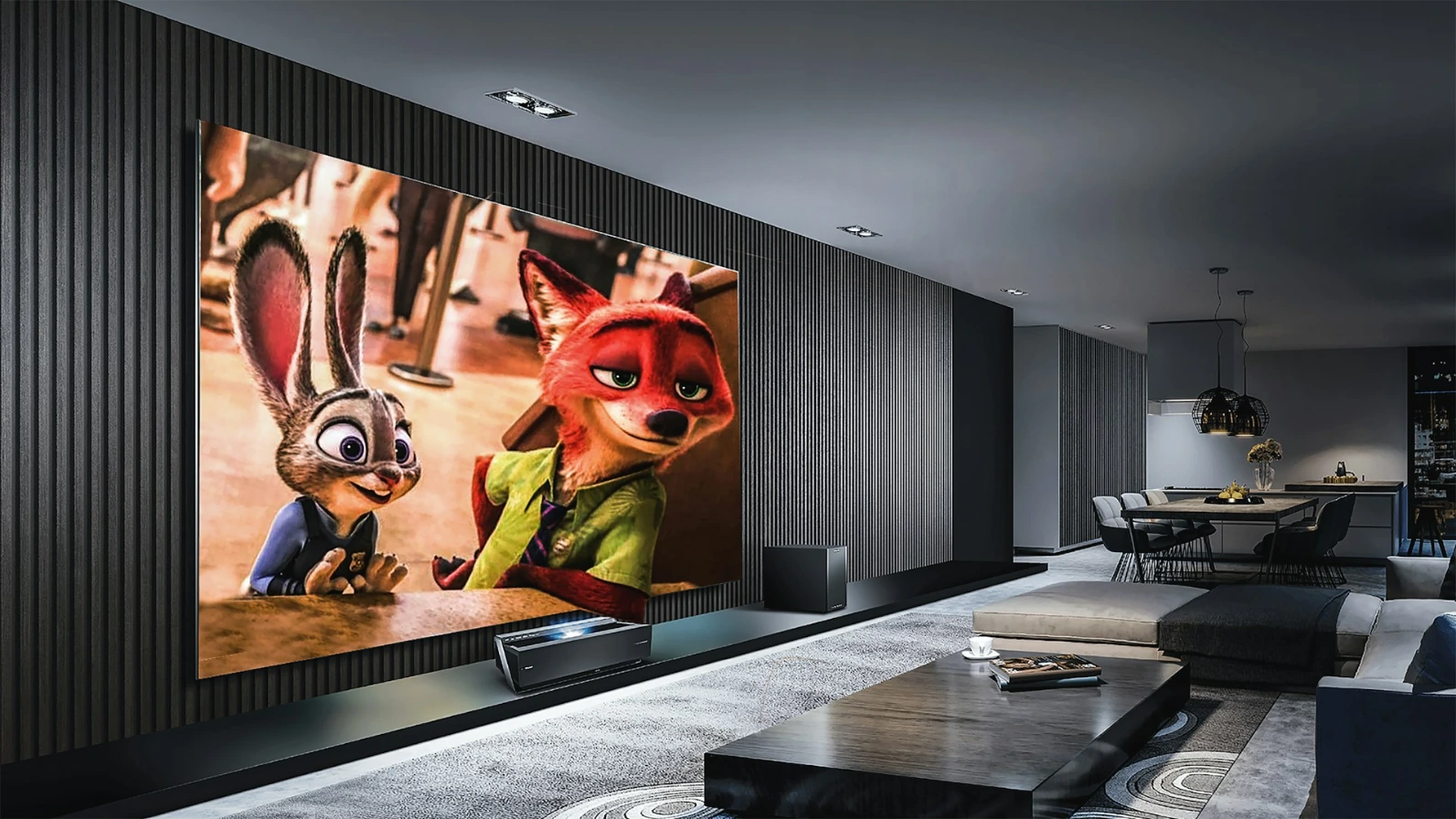
A smart home uses modern technology to automate and control household devices through the internet.
Simple Explanation:
👉 A smart home = Your home controls things for you (or you control them remotely).
These homes use smart devices, sensors, and apps to make everyday tasks easier.
Examples:
Lights that turn on automatically
Smart speakers that respond to your voice
Security cameras you can check from your phone
Thermostats that adjust temperature automatically
Smart homes are part of the growing trend of home automation and IoT (Internet of Things).
Smart Home vs Traditional Home: Key Differences
Let’s break down the main differences in a simple way.
1. Control and Convenience
Traditional Home:
Everything is manual
You need to be physically present
More effort required
Smart Home:
Remote control using smartphone apps
Voice commands (like Alexa or Google Assistant)
Automation saves time
👉 Winner: Smart Home (for convenience)
2. Technology and Connectivity
Traditional Home:
No internet connection required
Uses basic electrical systems
Smart Home:
Connected to Wi-Fi
Uses apps, sensors, and AI-powered devices
👉 Smart homes rely heavily on smart technology trends in 2026.
3. Energy Efficiency
Traditional Home:
Devices run continuously
Higher electricity usage
Smart Home:
Smart lights and thermostats reduce energy use
Automatic shut-off features
👉 Smart homes are better for energy saving and eco-friendly living.
4. Security
Traditional Home:
Locks and keys
Basic security systems
Smart Home:
Smart locks
Video doorbells
Motion sensors
Real-time alerts on your phone
👉 Smart homes provide advanced home security systems.
5. Cost
Traditional Home:
Lower initial cost
No installation of smart devices
Smart Home:
Higher upfront cost
Requires devices and setup
👉 However, smart homes can save money in the long run through energy efficiency.
6. Maintenance
Traditional Home:
Easy to maintain
Fewer technical issues
Smart Home:
Requires updates and internet
Possible technical glitches
👉 Traditional homes are simpler, but smart homes offer more features.
Real-Life Examples to Understand Better
Let’s imagine a typical day in both homes.
Morning Routine
Traditional Home:
You wake up, turn on the lights, boil water, and adjust the fan manually.
Smart Home:
Your alarm rings, lights turn on automatically, coffee starts brewing, and room temperature adjusts itself.
Leaving the House
Traditional Home:
You check lights, lock doors, and hope everything is safe.
Smart Home:
You press one button on your phone:
Lights turn off
Doors lock
Security system activates
Night Time
Traditional Home:
You walk around turning everything off.
Smart Home:
You say: “Good night” → Everything shuts down automatically.
Advantages of Smart Homes
Smart homes are becoming popular for many reasons.
✅ 1. Time-Saving
Automation handles repetitive tasks.
✅ 2. Better Security
Real-time alerts and monitoring.
✅ 3. Energy Efficiency
Reduces electricity bills.
✅ 4. Remote Access
Control your home from anywhere.
✅ 5. Modern Lifestyle
Fits today’s digital lifestyle trends.
Advantages of Traditional Homes
Traditional homes still have their own benefits.
✅ 1. Simplicity
No complex setup or apps.
✅ 2. Lower Cost
No need to buy smart devices.
✅ 3. Reliability
Works even without internet.
✅ 4. Easy Maintenance
Less technical knowledge required.
Disadvantages of Smart Homes
While smart homes are advanced, they also have some downsides.
❌ High Initial Cost
Devices and setup can be expensive.
❌ Internet Dependency
Most features require Wi-Fi.
❌ Privacy Concerns
Data from devices may be collected.
❌ Technical Issues
Devices may malfunction or need updates.
Disadvantages of Traditional Homes
❌ Less Convenient
Everything is manual.
❌ No Automation
No smart features.
❌ Lower Security Options
Limited protection compared to smart systems.
Which One is Better?
The answer depends on your needs, lifestyle, and budget.
Choose a Smart Home if:
You love technology
You want convenience and automation
You care about energy efficiency
You want better security
Choose a Traditional Home if:
You prefer simplicity
You have a limited budget
You don’t want to depend on technology
Can You Convert a Traditional Home into a Smart Home?
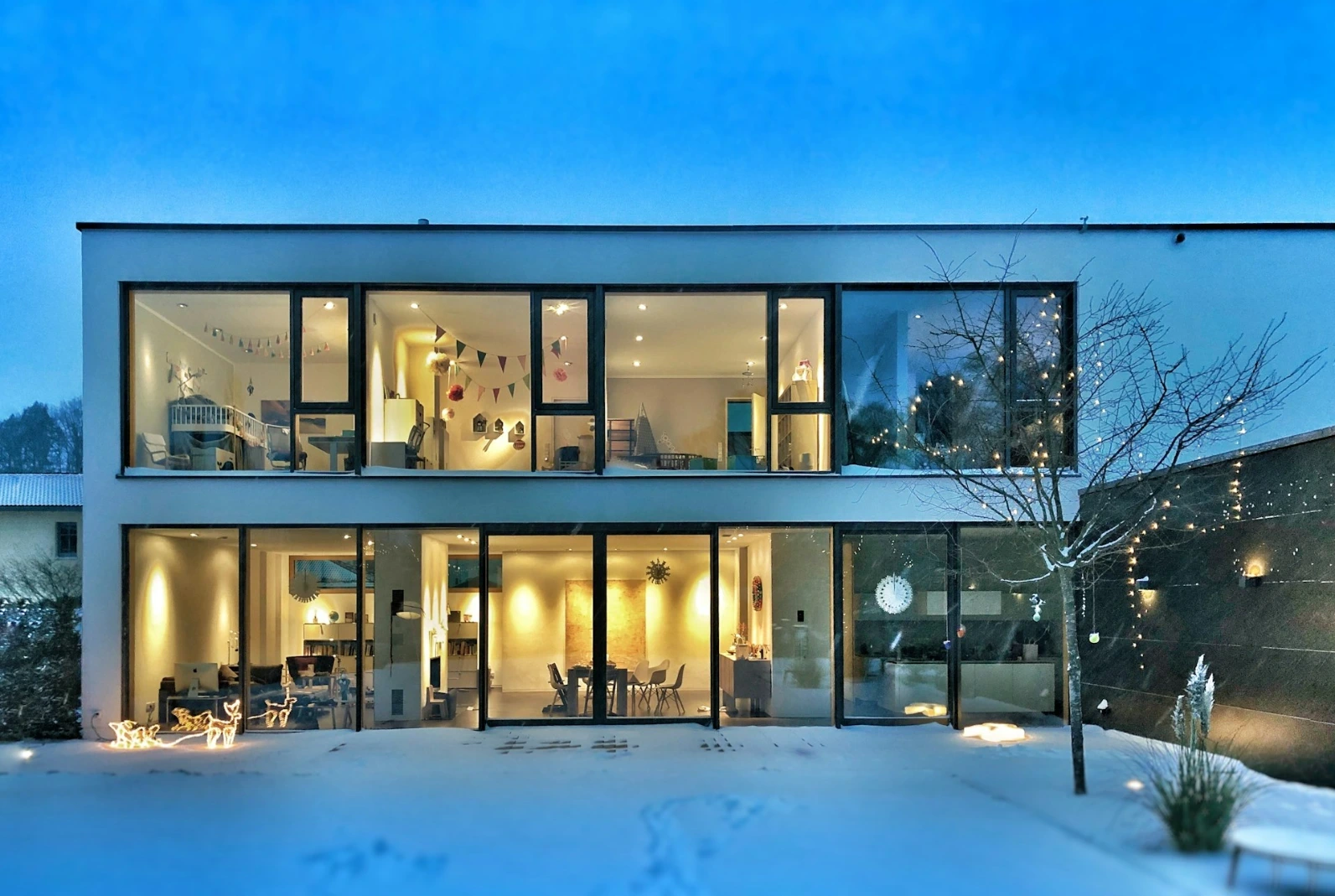
Yes! You don’t need to build a new house.
You can slowly upgrade your traditional home by adding:
Smart bulbs
Smart plugs
Smart speakers
Security cameras
👉 This is called a smart home upgrade or home automation setup.
Future of Smart Homes
Smart homes are growing rapidly and will become even more common in the future.
What to Expect:
More AI-powered devices
Fully automated homes
Voice-controlled everything
Integration with smart cities
Smart homes are a big part of the future of technology and modern living.
Final Thoughts
The difference between a smart home and a traditional home is simple:
👉 A traditional home is manual and simple
👉 A smart home is automated and connected
Both have their pros and cons, and the best choice depends on your lifestyle.
If you want convenience, security, and a modern experience, a smart home is a great option. But if you value simplicity and low cost, a traditional home still works perfectly fine.
Conclusion
Technology is changing how we live, and smart homes are leading this transformation. However, traditional homes still hold value for their simplicity and reliability.
Understanding the difference helps you make better decisions for your future home.
Whether you choose a smart home or a traditional one, the goal is the same—a comfortable and safe place to live.
EXPLORE MORE AT CYBERDUNIYA.COM
BEST BUYING LINKS - AMAZON.IN
- BUY SMART LED BULB FOR HOME - https://amzn.to/3Pv6Sb2
- BUY SMART FAN WITH REMOTE CONTROL FOR HOME - https://amzn.to/4sVhTAQ
- BUY CP PLUS WIFI CCTV CAMERA - https://amzn.to/4sFzzRz
- BUY Amazon Echo Dot (5th Gen) - https://amzn.to/4bV69bS